


Robotics is more than an extracurricular activity. In classrooms around the world, it has become one of the most effective ways to engage students in learning that is hands-on, meaningful, and future-focused.
For educators – either teachers, co-curricular facilitators or members of the community, robotics offers a powerful tool to develop technical skills, foster collaboration, and support students who thrive when learning is active rather than abstract. Bridging the theoretical and practical, robotics really gives students the platform to reach new heights in STEM Education and beyond.
Robotics Meets Students Where They Are
One of the strongest advantages of robotics is its natural appeal to students. Robots are tangible, interactive, and immediately rewarding. When students write code and see a robot move in response, learning becomes visible and motivating.
This sense of agency is particularly valuable for students who may struggle with purely theoretical instruction. Robotics allows them to experiment, fail safely, and improve through iteration, reinforcing confidence and curiosity. When coding on a computer, a terminal output may just return a single “error”, whereas a robot’s failure is traceable through movement or debugged sensor response.
A Practical Way to Teach Problem Solving
Robotics naturally develops logical thinking and problem-solving skills. Students must break down challenges, debug errors, test solutions, and adapt when things do not work as expected.
Importantly, robotics supports a wide range of ability levels. Beginners can start with simple behaviors, while more advanced students can tackle complex systems involving sensing, control, and optimization. This flexibility makes robotics well suited to mixed-ability classrooms.
Strong Student Engagement and Skill Development
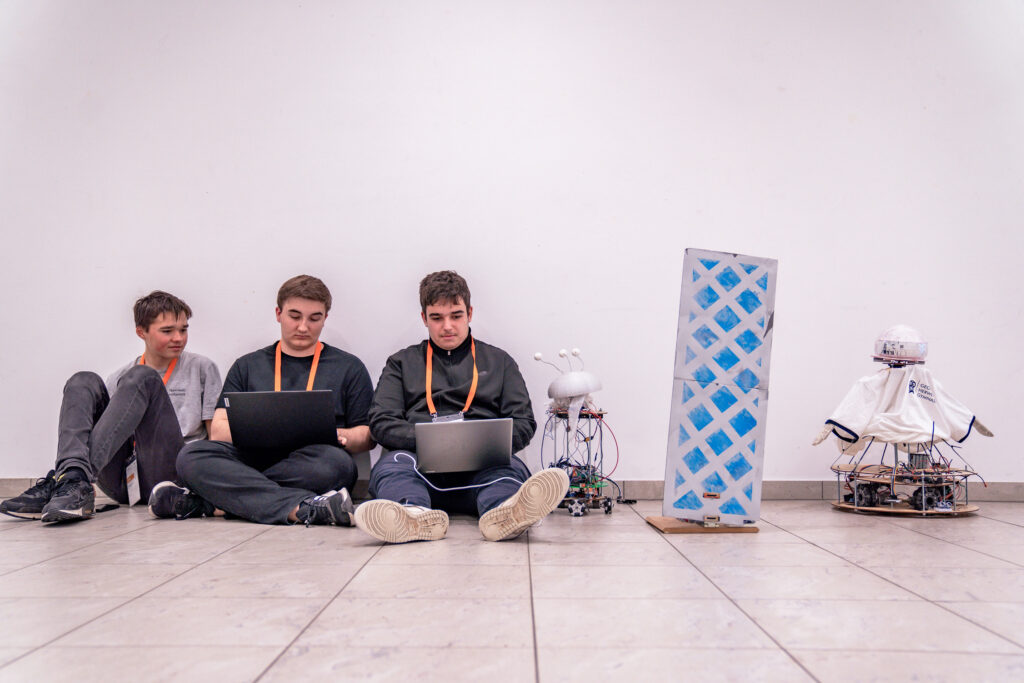
Robotics connects coding to physical action, creating a direct link between effort and outcome. This physical feedback significantly increases engagement and helps students better understand abstract concepts.
Through robotics, students develop:
- Technical skills in programming, electronics, and engineering
- Soft skills such as teamwork, communication, and project management
- Perseverance and resilience through iterative design
These are transferable skills that benefit students well beyond the robotics classroom. Even students who don’t choose careers in STEM can build life skills that cannot be taught directly in the classroom.
Supporting Discovery and Student Confidence
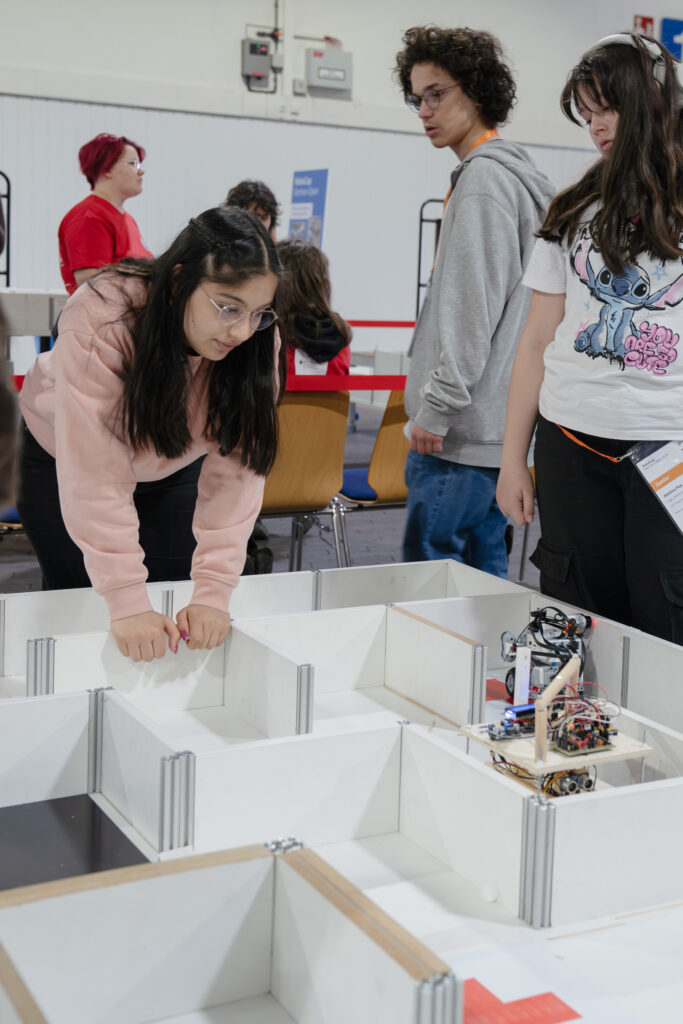
For many students, robotics is where they “find their thing.” It provides a space for technically minded students to collaborate, lead, and apply their strengths in a social and creative environment.
The concept of learning through play is illustrated in the classroom, extra-curricular activities, or simply developing robots for fun.
Participation in robotics programs and competitions builds confidence and a sense of achievement. Students learn to present their work, reflect on outcomes, and take pride in progress rather than just results.
Robotics Fits Across the Curriculum
Robotics is inherently cross-disciplinary. It integrates mathematics, science, technology, and design, while also supporting literacy through documentation, presentations, and reflection.
Teachers often use robotics to:
- Reinforce core curriculum concepts
- Support project-based and inquiry learning
- Encourage systematic thinking and executive functioning
- Because robotics is flexible, it can be embedded into existing subjects or run as a co-curricular or extra-curricular program.
Teachers Do Not Need to Be the Expert
A common concern is that teachers must be highly technical to run a robotics program. In practice, successful programs often work the opposite way.
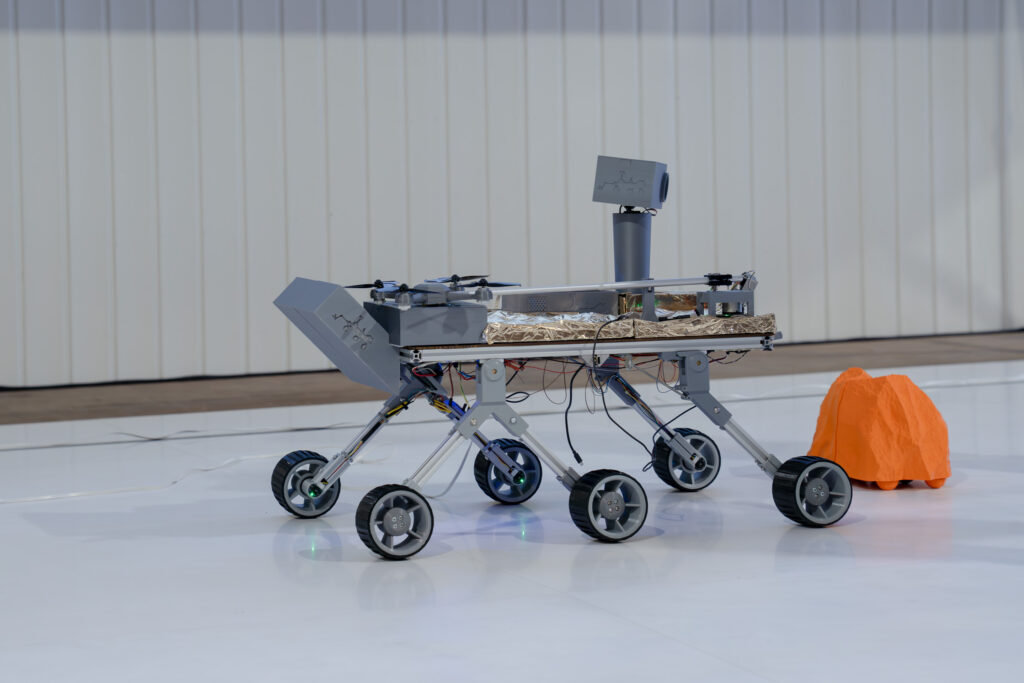
Robotics encourages shared learning. Students can take ownership of technical components, mentor peers, and work collaboratively. The teacher’s role becomes one of facilitation, structure, and support rather than knowing every answer.
Competitive Robotics Enhances Learning
When robotics is paired with competition, learning gains an additional layer of motivation and purpose.
Competitions provide:
- Clear goals and real-world challenges
- Opportunities for teamwork and communication
- Recognition of effort and achievement
- Exposure to a broader learning community
For teachers, competitions offer a structured framework that supports progression year-on-year, helping students build on previous work rather than starting from scratch each time.
Robotics Creates Pathways Beyond School
Students involved in robotics frequently pursue further study and careers in engineering, computing, science, and creative technology fields. Even for those who do not, the skills gained through robotics support problem solving, adaptability, and confidence in any pathway.
Teachers play a critical role in opening these opportunities by introducing students to robotics early and supporting sustained engagement.
Taking the First Step
Getting started does not require perfection or extensive resources. Successful programs often begin small, grow organically, and evolve alongside teacher and student experience.
Choosing a platform, selecting a suitable competition, and taking a leap of faith are often the most important first steps. Robotics works best when teachers and students learn together.
This article was created based on the presentation by Margaux Edwards at the EduRob24, Graz Austria https://edurob24.sai.tugraz.at